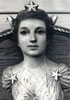
Photo of Vizma Belševica by Margita Gutmane
Photo of Dzvinia Orlowsky by Max Hoffman.
Photo of Sándor Csoóri by permission of BOA.
Photo of Karen Blomain by Michael Downend
Photo of Aliki Barnstone by Katherine Dumas
All other Latvian poet photos courtesy of the Latvian Writer’s Union.
Photo of Lucija Stupica by Sven Paustian
Photos of J.C. Todd,Māris Salējs, Kārlis Vērdiņš, by Rebecca Seiferle
Latvian FeatureEdited by J.C. Todd and Margita Gailitis
Latvian Poet Contributor Notes prepared by Jānis Elsbergs, Margita Gailitis, J. C. Todd
Fall/Winter 2005
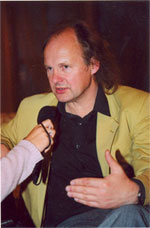 Eduards
Aivars (b. 1956) Poet and essayist, he has published
five volumes of poetry. The most recent volume received the Latvian
Poetry Prize (2002). He uses his pen name when publishing poetry, and
his birth name, Aivars Eipurs, for his work as therapist in the
Minnesota program for drug and alcohol counseling.
Eduards
Aivars (b. 1956) Poet and essayist, he has published
five volumes of poetry. The most recent volume received the Latvian
Poetry Prize (2002). He uses his pen name when publishing poetry, and
his birth name, Aivars Eipurs, for his work as therapist in the
Minnesota program for drug and alcohol counseling.
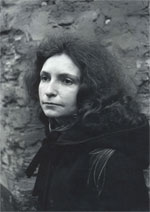 Amanda
Aizpuriete (b. 1956) Widely published poet and
translator. Since 1980, she has published 8 books of poetry and one
novel in Latvian, with books published in translation in Sweden and
Germany. Her poetry and prose has been published in anthologies in
Scandinavia, the Baltics, Iceland, France, Germany, Russia, Canada and
U.S.A. Eric Funk has composed a symphony with text from her “This
Eventide Seems Spoiled.” She has translated Georg Trakl, Joseph
Brodsky, Virginia Woolf, Ken Kesey and John Updike. She received the
prestigious Horst Bienek Prize from the Bavaria Academy of Art (1999);
the Latvian Poetry Prize (2000) for Bābeles nomalē
(Outskirts of Babel); the Latvian Book Prize (2003) for
translations of Anna Akhmatova.
Amanda
Aizpuriete (b. 1956) Widely published poet and
translator. Since 1980, she has published 8 books of poetry and one
novel in Latvian, with books published in translation in Sweden and
Germany. Her poetry and prose has been published in anthologies in
Scandinavia, the Baltics, Iceland, France, Germany, Russia, Canada and
U.S.A. Eric Funk has composed a symphony with text from her “This
Eventide Seems Spoiled.” She has translated Georg Trakl, Joseph
Brodsky, Virginia Woolf, Ken Kesey and John Updike. She received the
prestigious Horst Bienek Prize from the Bavaria Academy of Art (1999);
the Latvian Poetry Prize (2000) for Bābeles nomalē
(Outskirts of Babel); the Latvian Book Prize (2003) for
translations of Anna Akhmatova. 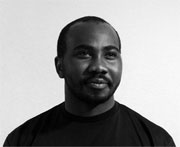 Abayomi Animashaun
is a Nigerian emigré who came to the United
States in the late 1990s. His works have appeared or are forthcoming in
such places as New Orphic Review and The Guardian. He has
served as an editorial staff for Red Rock Review, and he was a
finalist for the Marble Faun Prize in Poetry from the William Faulkner
Society in 2004.
Abayomi Animashaun
is a Nigerian emigré who came to the United
States in the late 1990s. His works have appeared or are forthcoming in
such places as New Orphic Review and The Guardian. He has
served as an editorial staff for Red Rock Review, and he was a
finalist for the Marble Faun Prize in Poetry from the William Faulkner
Society in 2004.
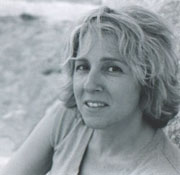 Aliki
Barnstone is a poet, translator, critic, and editor. Her
books of poems are Blue Earth (Iris, 2004), Wild With It
(Sheep Meadow, 2002), a National Books Critics Circle Notable Book,
Madly in Love (Carnegie-Mellon, 1997), Windows in
Providence (Curbstone, 1981), and The Real Tin Flower (which
was introduced by Anne Sexton and was published by Macmillan in 1968,
when she was twelve years old). She has been nominated for the Pulitzer
Prize twice. She edited A Book of Women Poets from Antiquity to
Now (Schocken, 1980; second edition, 1992), The Calvinist Roots
of the Modern Era (University Press of New England, 1997), The
Shambhala Anthology of Women’s Spiritual Poetry (Shambhala, 1999;
2003), and she introduced and wrote the readers’ notes for H.D.’s
Trilogy (New Directions, 1998). Her poems have appeared in
Boulevard, The Georgia Review, New Letters,
Pleiades, Prairie Schooner, The Southern Review,
TriQuarterly, Virginia Quarterly Review, and elsewhere.
She has recorded a collaborative C.D. with musician Frank Haney. Her
translation, The Collected Poems of C.P. Cavafy: A New
Translation is forthcoming in with W.W. Norton in 2006. Also
forthcoming in 2006 is her study of the development of Emily Dickinson’s
poetry, Changing Rapture: The Development of Emily Dickinson’s
Poetry, which will appear with University Press of New England in
2006. Barnstone currently is Professor of English in the Creative
Writing International Program at the University of Nevada, Las
Vegas.
Aliki
Barnstone is a poet, translator, critic, and editor. Her
books of poems are Blue Earth (Iris, 2004), Wild With It
(Sheep Meadow, 2002), a National Books Critics Circle Notable Book,
Madly in Love (Carnegie-Mellon, 1997), Windows in
Providence (Curbstone, 1981), and The Real Tin Flower (which
was introduced by Anne Sexton and was published by Macmillan in 1968,
when she was twelve years old). She has been nominated for the Pulitzer
Prize twice. She edited A Book of Women Poets from Antiquity to
Now (Schocken, 1980; second edition, 1992), The Calvinist Roots
of the Modern Era (University Press of New England, 1997), The
Shambhala Anthology of Women’s Spiritual Poetry (Shambhala, 1999;
2003), and she introduced and wrote the readers’ notes for H.D.’s
Trilogy (New Directions, 1998). Her poems have appeared in
Boulevard, The Georgia Review, New Letters,
Pleiades, Prairie Schooner, The Southern Review,
TriQuarterly, Virginia Quarterly Review, and elsewhere.
She has recorded a collaborative C.D. with musician Frank Haney. Her
translation, The Collected Poems of C.P. Cavafy: A New
Translation is forthcoming in with W.W. Norton in 2006. Also
forthcoming in 2006 is her study of the development of Emily Dickinson’s
poetry, Changing Rapture: The Development of Emily Dickinson’s
Poetry, which will appear with University Press of New England in
2006. Barnstone currently is Professor of English in the Creative
Writing International Program at the University of Nevada, Las
Vegas.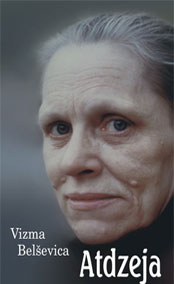 Vizma Belševica (b. 1931; d. 2005) has seven volumes of
poetry, and numerous awards in Latvia, including the Ojārs
Vācietis Award (1988), the Order of the Three Stars (1995), and the
Cultural Ministry Award for Life Achievement in Literature (1997). Her
Swedish awards include the Einar Forseth Foundation Award (1992) and
Tomas Transtromer Award (1998).
Vizma Belševica (b. 1931; d. 2005) has seven volumes of
poetry, and numerous awards in Latvia, including the Ojārs
Vācietis Award (1988), the Order of the Three Stars (1995), and the
Cultural Ministry Award for Life Achievement in Literature (1997). Her
Swedish awards include the Einar Forseth Foundation Award (1992) and
Tomas Transtromer Award (1998). 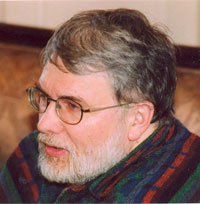 Uldis Bērziņš (b.1944) Prolific
translator and poet. His first poems appeared in 1963 but the first of
his six volumes did not appear until the 1980s. His poetry has been
translated into French, Swedish, Estonian, Lithuanian, Russian and other
languages. A polyglot, he has translated poems for many languages,
including Turkish, Persian, Spanish, English, Polish, Swedish, Russian
and Old Icelandic. His current project is translation of the Koran and
the Old Testament from Hebrew and Arabic into Latvian. His awards
include the Literary Award of the Baltic Assembly (1995) and Order of
the Three Stars (1995).
Uldis Bērziņš (b.1944) Prolific
translator and poet. His first poems appeared in 1963 but the first of
his six volumes did not appear until the 1980s. His poetry has been
translated into French, Swedish, Estonian, Lithuanian, Russian and other
languages. A polyglot, he has translated poems for many languages,
including Turkish, Persian, Spanish, English, Polish, Swedish, Russian
and Old Icelandic. His current project is translation of the Koran and
the Old Testament from Hebrew and Arabic into Latvian. His awards
include the Literary Award of the Baltic Assembly (1995) and Order of
the Three Stars (1995). 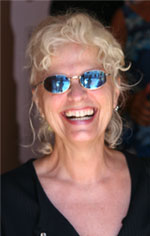 Karen Blomain160
207, a professor at Kutztown University since 1990, holds an
undergraduate degree and an MFA from Columbia. Her publications include
two full-length collections and two chapbooks of poetry, the novel, A
Trick of Light and numerous stories and essays published in
periodicals and anthologies, including the new anthology Sudden
Stories. She is the editor of a poetry anthology and the
co-translator of numerous poems. Her work has been broadcast on National
Public Radio. A Trick of Light was recently selected for
Chapters, a city-wide book club sponsored by the Press and Sun Bulletin
in Binghamton, New York.
Karen Blomain160
207, a professor at Kutztown University since 1990, holds an
undergraduate degree and an MFA from Columbia. Her publications include
two full-length collections and two chapbooks of poetry, the novel, A
Trick of Light and numerous stories and essays published in
periodicals and anthologies, including the new anthology Sudden
Stories. She is the editor of a poetry anthology and the
co-translator of numerous poems. Her work has been broadcast on National
Public Radio. A Trick of Light was recently selected for
Chapters, a city-wide book club sponsored by the Press and Sun Bulletin
in Binghamton, New York. 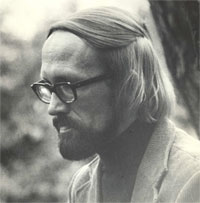 Leons
Briedis (b. 1949) Founding publisher and editor of the
Latvian philosophical journal, Kentaurs XXI (Centaur XXI)
and Minerva, Ltd. publishing house, he has published almost 20 volumes
of poetry. He writes for both adults and children and translates from
Portuguese, Romanian, Spanish, Catalonian, Latin, Swahili, Russian,
English and others. His international literary prizes include one from
the Writers’ Union of Romania (1991) and the Order of the Three Stars
from Latvia (1999).
Leons
Briedis (b. 1949) Founding publisher and editor of the
Latvian philosophical journal, Kentaurs XXI (Centaur XXI)
and Minerva, Ltd. publishing house, he has published almost 20 volumes
of poetry. He writes for both adults and children and translates from
Portuguese, Romanian, Spanish, Catalonian, Latin, Swahili, Russian,
English and others. His international literary prizes include one from
the Writers’ Union of Romania (1991) and the Order of the Three Stars
from Latvia (1999). 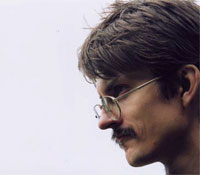 Ronalds Briedis
(b. 1980) Poet and critic, he has published one volume
of poetry (2004) which received the best poetic debut award. He manages
literary projects for the Writers’ Union of Latvia.
Ronalds Briedis
(b. 1980) Poet and critic, he has published one volume
of poetry (2004) which received the best poetic debut award. He manages
literary projects for the Writers’ Union of Latvia. Inara Cedrins’ first anthology of contemporary Latvian poetry was published by the University of Iowa Press in 1981; her chapbook of translations of the poetry of Astrid Ivask, At the Fallow’s Edge, was a Small Press Book of the Month Club selection and went into a second edition. She previously edited an issue of the online magazine Omega featuring Latvian poets (accessible at www.howlingdogpress.com). Her poems, stories and translations from the Latvian have appeared in The North American Review, Chelsea, Prairie Schooner, The Portland Int’l. Review, The Ledge, The Minnesota Review, Translation/Columbia University, the Massachusetts Review, Kansas Quarterly, The Atlanta Review, New Letters and The Chariton Review, among others.
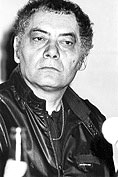 Sándor Csoóri , one of Hungary’s most
prominent and outspoken poets, is the author of seventeen books of
poetry, six books of essays, two novels, and several film scripts. He
has received numerous awards for his poetry, including the Attila
József Prize in Poetry, The Hungarian Book of the Year Award
(1995), the Károli Gáspár Award, the Hungarian Heritage
Award and the prestigious Kossuth Award, Hungary’s greatest honor for
achievement in artistic or scientific work. He was a major figure in
the founding of the Hungarian Democratic Forum and was Chairman of the
World Federation of Hungarians from 1991-2000. He is a leading
proponent for the rights of ethnic Hungarians in other countries.
Sándor Csoóri , one of Hungary’s most
prominent and outspoken poets, is the author of seventeen books of
poetry, six books of essays, two novels, and several film scripts. He
has received numerous awards for his poetry, including the Attila
József Prize in Poetry, The Hungarian Book of the Year Award
(1995), the Károli Gáspár Award, the Hungarian Heritage
Award and the prestigious Kossuth Award, Hungary’s greatest honor for
achievement in artistic or scientific work. He was a major figure in
the founding of the Hungarian Democratic Forum and was Chairman of the
World Federation of Hungarians from 1991-2000. He is a leading
proponent for the rights of ethnic Hungarians in other countries.
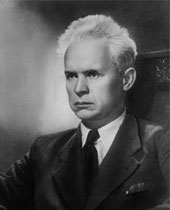 Alexander Dovzhenko was born into a peasant
family in the Desna River area in Northeast Ukraine in 1894. Along with
Sergei Eisenstein and Vasevolod Pudovkin, Dovzhenko is considered one of
the Soviet Union’s greatest early filmmakers; his silent film
Earth (1930), a poetic tribute to Nature and Ukrainian village
life, is still often regarded among the top ten best films of all time.
In addition to his legacy as a silent film poet, he produced a brief
autobiographical article of approximately twenty-one pages and two
hundred and forty-five pages of notebooks that he kept from 1941 until
his death. These record an intimate account of the Ukraine during the
German invasion and occupation in the Second World War as well
Dovzhenko’s inner development as film artist. Much has been lost;
little exists in English print today. Dovzhenko died in 1956 after
suffering two decades of Stalinist oppression. He left behind several
scripts, most of which had also been banned by Soviet censors. His wife
and creative partner, Yulia Solntseva, produced some of these including
a 1965 Mosfilm and Dovzhenko Film Studio production of The Enchanted
Desna (Zachrovannaya Desna) based on his 1942-1948
autobiographical film-tale.
Alexander Dovzhenko was born into a peasant
family in the Desna River area in Northeast Ukraine in 1894. Along with
Sergei Eisenstein and Vasevolod Pudovkin, Dovzhenko is considered one of
the Soviet Union’s greatest early filmmakers; his silent film
Earth (1930), a poetic tribute to Nature and Ukrainian village
life, is still often regarded among the top ten best films of all time.
In addition to his legacy as a silent film poet, he produced a brief
autobiographical article of approximately twenty-one pages and two
hundred and forty-five pages of notebooks that he kept from 1941 until
his death. These record an intimate account of the Ukraine during the
German invasion and occupation in the Second World War as well
Dovzhenko’s inner development as film artist. Much has been lost;
little exists in English print today. Dovzhenko died in 1956 after
suffering two decades of Stalinist oppression. He left behind several
scripts, most of which had also been banned by Soviet censors. His wife
and creative partner, Yulia Solntseva, produced some of these including
a 1965 Mosfilm and Dovzhenko Film Studio production of The Enchanted
Desna (Zachrovannaya Desna) based on his 1942-1948
autobiographical film-tale. 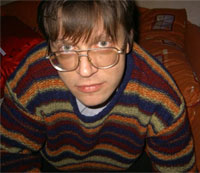 Jānis
Elsbergs (b. 1969) Poet and translator, his first two
volumes were published under the pen name Jānis Ramba. Translator
of Shakespeare’s Cymbeline, Harold Pinter, Arthur Miller, Kurt Vonnegut,
Walt Whitman, Charles Bukowski and American Beat poets such as Gregory
Corso and Gary Snyder. His book, Rīta kafija (Morning
Coffee)(1996) shows the Beat influence. He has been co-editor of
major Latvian literary journals, including Karogs and Luna
and head of the Young Authors’ Association.
Jānis
Elsbergs (b. 1969) Poet and translator, his first two
volumes were published under the pen name Jānis Ramba. Translator
of Shakespeare’s Cymbeline, Harold Pinter, Arthur Miller, Kurt Vonnegut,
Walt Whitman, Charles Bukowski and American Beat poets such as Gregory
Corso and Gary Snyder. His book, Rīta kafija (Morning
Coffee)(1996) shows the Beat influence. He has been co-editor of
major Latvian literary journals, including Karogs and Luna
and head of the Young Authors’ Association. 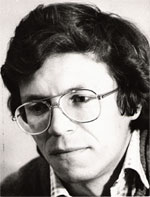 Klāvs
Elsbergs (b.1959; d. 1987) Poet and translator, he
published two volumes of his poetry and one was published posthumously.
A major translator of French poetry including a collection of poems by
Guillaume Apollinaire. A leading poet of his generation, he was one of
the founding editors of Avots, an influential intellectual
monthly that introduced avant garde and politically charged subjects
during the period of Glasnost.
Klāvs
Elsbergs (b.1959; d. 1987) Poet and translator, he
published two volumes of his poetry and one was published posthumously.
A major translator of French poetry including a collection of poems by
Guillaume Apollinaire. A leading poet of his generation, he was one of
the founding editors of Avots, an influential intellectual
monthly that introduced avant garde and politically charged subjects
during the period of Glasnost. 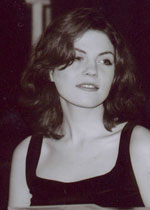 Inga Gaile (b.1976)
Winner of the Klāvs Elsbergs First Book Award (1999) and the
Ojārs Vācietis Award (2004) for her second volume. She also
translates from Russian the poetry of the Riga-based Orbita group.
Inga Gaile (b.1976)
Winner of the Klāvs Elsbergs First Book Award (1999) and the
Ojārs Vācietis Award (2004) for her second volume. She also
translates from Russian the poetry of the Riga-based Orbita group. 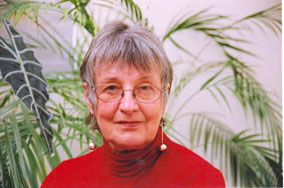 Margita Gailitis was born in Riga, Latvia, and
is a writer, poet and translator. She left Latvia as a small child and
after several years spent in displaced persons camps in Germany,
immigrated with her mother and two sisters to Canada. She has travelled
extensively and has lived for extended periods of time in the U.S.,
Jamaica, Italy and Spain. In 1998 she returned to Latvia to work at the
Translation and Terminology Centre in Riga on a Canadian International
Development Agency sponsored project translating Latvian laws into
English— a prerequisite for Latvia’s accession to the EU. Having
spent her professional life in Canada working in advertising and
marketing, she also assumed marketing and PR responsibilities for the
Translation Centre. Now Margita Gailitis concentrates her efforts on
literary translation and her poetry, which she writes in both Latvian
and English. She has translated some of Latvia’s finest poetry and prose
and been instrumental in organizing publishing opportunities for Latvian
writers in Canada, U.S., Spain and elsewhere. Her poetry has been
published in various periodicals and has been awarded both Ontario and
Canada Council grants. Her poems have been published in a book
“Freedom Half Blind”.
Margita Gailitis was born in Riga, Latvia, and
is a writer, poet and translator. She left Latvia as a small child and
after several years spent in displaced persons camps in Germany,
immigrated with her mother and two sisters to Canada. She has travelled
extensively and has lived for extended periods of time in the U.S.,
Jamaica, Italy and Spain. In 1998 she returned to Latvia to work at the
Translation and Terminology Centre in Riga on a Canadian International
Development Agency sponsored project translating Latvian laws into
English— a prerequisite for Latvia’s accession to the EU. Having
spent her professional life in Canada working in advertising and
marketing, she also assumed marketing and PR responsibilities for the
Translation Centre. Now Margita Gailitis concentrates her efforts on
literary translation and her poetry, which she writes in both Latvian
and English. She has translated some of Latvia’s finest poetry and prose
and been instrumental in organizing publishing opportunities for Latvian
writers in Canada, U.S., Spain and elsewhere. Her poetry has been
published in various periodicals and has been awarded both Ontario and
Canada Council grants. Her poems have been published in a book
“Freedom Half Blind”.
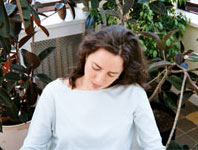 Eve Grubin
‘s first book of poems is Morning Prayer
(The Sheep Meadow Press, 2005). Her poems have appeared in
The American Poetry Review, Barrow Street, Conjunctions,
The New Republic, The Virginia Quarterly Review, and
elsewhere. She teaches
at The New School University, and she is a fellow at
the Drisha Institute
for Jewish Education.
Eve Grubin
‘s first book of poems is Morning Prayer
(The Sheep Meadow Press, 2005). Her poems have appeared in
The American Poetry Review, Barrow Street, Conjunctions,
The New Republic, The Virginia Quarterly Review, and
elsewhere. She teaches
at The New School University, and she is a fellow at
the Drisha Institute
for Jewish Education.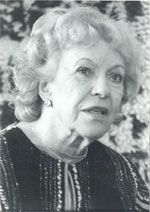 Astrīde Ivaska (b. 1926) Poet and
professor. Author of 6 volumes of poetry in Latvian, she recently
returned to Latvia after many years abroad. In the United States she
taught at Oklahoma University and St. Olaf’s College and was a reviewer
for World Literature Today. Inara Cedrins’ English translations
of Ivaska’s selected poetry appeared in two volumes in the US.
Astrīde Ivaska (b. 1926) Poet and
professor. Author of 6 volumes of poetry in Latvian, she recently
returned to Latvia after many years abroad. In the United States she
taught at Oklahoma University and St. Olaf’s College and was a reviewer
for World Literature Today. Inara Cedrins’ English translations
of Ivaska’s selected poetry appeared in two volumes in the US. Inguna Jansone (b. 1963) Poet and translator, her major translations include Edgar Allen Poe, Richard Brautigan and Fay Weldon. Her second poetry collection, Sampuns ar balzamu (Shampoo and Balsam), was awarded the Anna Dagda Award (1998).
Ana Jelnikar , born in 1975 in Ljubljana (Slovenia), received her secondary school education in London, graduated in English and Sociology from the University of Ljubljana, and holds an MA in literature from the Open University (England). She is now doing a PhD at the University of London (SOAS). She has been translating from, and into, English for over a decade now. Her translation of Iztok Osojnik’s book of poems Mister Today came out in 2003 by Jacaranda Press (California), and Brane Mozetič’s poetry volume Butterflies was published in America in 2004. Her most recent translations of poetry collections include Iztok Geister’s Hymnn to the Bush Tree and Taja Kramberger’s Mobilizations. Her translations have appeared in such literary magazines as Verse, Southern Humanities Review, Third Coast, and The American Poetry Review. She is also the translator of the first Slovenian edition of C. G. Jung’s Man and His Symbols.
Martha Kosir-Widenbauer was born in the US and grew up in Slovenia. After finishing high school, she moved back to the US and completed university studies there, earning a Ph.D. in Hispanic Literature from Vanderbilt University in 2004, with the area of specialization in 18th and 19th Spanish Peninsular literature; however, she is also very interested in translation studies. Her translations of the German poet Ulrike Draesner were published in the poetry journal Sirena produced at Dickinson College.
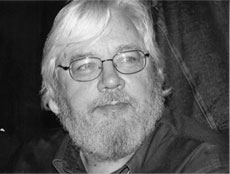 Juris
Kronbergs (b. 1946) Born in Sweden of Latvian parents,
he is an important figure in Latvian poetry and actively promotes
Latvian literature in Sweden, translating dainas (folksongs), and
Belševica, Skujenieks, Ziedonis and others authors into Swedish. First
published in the mid-1960s, his recent collection Vilks vienacis (Wolf
One-Eye) was published bilingually in Latvian and Swedish. His awards
include the Ojārs Vācietis award (1988) and the Order of the
Three Stars (1998).
Juris
Kronbergs (b. 1946) Born in Sweden of Latvian parents,
he is an important figure in Latvian poetry and actively promotes
Latvian literature in Sweden, translating dainas (folksongs), and
Belševica, Skujenieks, Ziedonis and others authors into Swedish. First
published in the mid-1960s, his recent collection Vilks vienacis (Wolf
One-Eye) was published bilingually in Latvian and Swedish. His awards
include the Ojārs Vācietis award (1988) and the Order of the
Three Stars (1998). 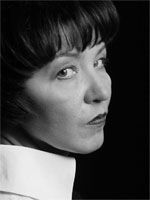 Liāna
Langa (b. 1960) Former director of the Latvian National
Council of Culture, she began to publish in 1988, winning Latvian
National Literary Awards for two books, Te debesis, te
ciparnīca (NowHeaven, Now an Hourglass) (1997) and
Iepūt taurītē, Skorpion! (BlowYour Horn,
Scorpion!, 2001). She translates from Russian and English and has
studied literature at the New School in New York. Her legal name is
Liāna Bokša.
Liāna
Langa (b. 1960) Former director of the Latvian National
Council of Culture, she began to publish in 1988, winning Latvian
National Literary Awards for two books, Te debesis, te
ciparnīca (NowHeaven, Now an Hourglass) (1997) and
Iepūt taurītē, Skorpion! (BlowYour Horn,
Scorpion!, 2001). She translates from Russian and English and has
studied literature at the New School in New York. Her legal name is
Liāna Bokša. 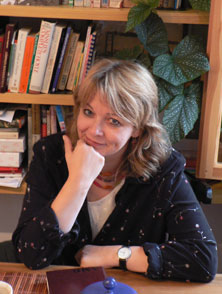 Ieva
Lešinska (b.1958) is an editor, journalist, poet
and translator living and working in Riga, Latvia. Once a culture editor
for Radio Free Europe in Munich, since 1993 Ms. Lesinska has been on the
editorial staff at the magazine Rigas Laiks and also holds a
full-time position as English language editor at the central bank of
Latvia.
She has received special notice for her translations
of Anglo American poets into Latvian, including T.S. Eliot’s The
Waste Land, Allen Ginsberg’s Kaddish, as well as selected
poems by Robert Frost, Seamus Heaney, D. H. Lawrence, Ezra Pound, Dylan
Thomas, and others. Her original poetry has appeared in Latvian
periodicals and anthologies. She is currently working on a book of
“documentary fiction”. In this issue, she has translated
Bērziņš, Gaile, Zirnitis, and Zandere.
Ieva
Lešinska (b.1958) is an editor, journalist, poet
and translator living and working in Riga, Latvia. Once a culture editor
for Radio Free Europe in Munich, since 1993 Ms. Lesinska has been on the
editorial staff at the magazine Rigas Laiks and also holds a
full-time position as English language editor at the central bank of
Latvia.
She has received special notice for her translations
of Anglo American poets into Latvian, including T.S. Eliot’s The
Waste Land, Allen Ginsberg’s Kaddish, as well as selected
poems by Robert Frost, Seamus Heaney, D. H. Lawrence, Ezra Pound, Dylan
Thomas, and others. Her original poetry has appeared in Latvian
periodicals and anthologies. She is currently working on a book of
“documentary fiction”. In this issue, she has translated
Bērziņš, Gaile, Zirnitis, and Zandere. Inna Lisynanskaya was born in Baku in 1928. She began her writing career at the age of twenty when her first poems were published in local magazines. Later when she moved to Moscow her first collection of poetry was published in the popular Soviet magazines, Youth and The New World. Her book of poetry, Devotion was published in 1958. The translations in this issue are from The Music and the Shore, published in 2000 by the Pushkin Foundation in St. Petersburg. Her latest collection, Under the Snow’s Light was published by the same publishing house in 2002. She has won the Soldzenitsyn Prize (1999), the State Literary Prize, and several prizes from different Russian literary magazines. She lives in Peredelkino.
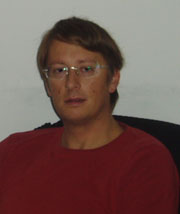 Janko M. Lozar
, born 1973 in Novo mesto, Slovenia. In 2000, he received
a B.A. in English translation and philosophy at the University of
Ljubljana, Faculty of Arts. In 2005, he received a PhD in philosophy.
Current occupation is assistant at the Ljubljana Faculty of Fine Arts,
the Department of Philosophy. The scope of his translations ranges from
philosophy (Richard Rorty), literary science, prose, two volumes of
poetry (Brian Henry’s Astronaut and a selection of poems by
Joshua Beckmann (Leaving New York)) as well as poems by various
authors from Great Britain and USA who took part in the Slovenian poetry
festival Medana (Andrew Zawacki, Matthew Zapruder). He also translates
into English (Lucija Stupica, Dane Zajc, Ales Steger).
Janko M. Lozar
, born 1973 in Novo mesto, Slovenia. In 2000, he received
a B.A. in English translation and philosophy at the University of
Ljubljana, Faculty of Arts. In 2005, he received a PhD in philosophy.
Current occupation is assistant at the Ljubljana Faculty of Fine Arts,
the Department of Philosophy. The scope of his translations ranges from
philosophy (Richard Rorty), literary science, prose, two volumes of
poetry (Brian Henry’s Astronaut and a selection of poems by
Joshua Beckmann (Leaving New York)) as well as poems by various
authors from Great Britain and USA who took part in the Slovenian poetry
festival Medana (Andrew Zawacki, Matthew Zapruder). He also translates
into English (Lucija Stupica, Dane Zajc, Ales Steger).
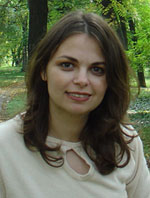 Andreea Luncan
has an A B.A. in English and Romanian language and literature and an M.A. in
British and American Cultural Studies. She has always loved
poetry and translation. A member of the on-line literary group “Words
Exchange”, she had her poems published in their first anthology as well
as in numerous literary magazines. Andreea currently resides in the
Western Romanian city of Timisoara with her husband and young son.
Andreea Luncan
has an A B.A. in English and Romanian language and literature and an M.A. in
British and American Cultural Studies. She has always loved
poetry and translation. A member of the on-line literary group “Words
Exchange”, she had her poems published in their first anthology as well
as in numerous literary magazines. Andreea currently resides in the
Western Romanian city of Timisoara with her husband and young son.
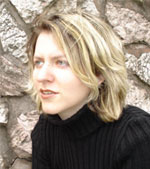 Camelia Luncan
was born in Oradea, Romania, in 1980. She was awarded a
Bachelor of Arts in 2002, at the University of Oradea, Faculty of
Philology, with a major in Theology and minor in English Language. She
is a graduate student of Educational Management at the University of
Oradea and has been teaching English in High School in Oradea, Emanuel,
for 3 years.
Camelia Luncan
was born in Oradea, Romania, in 1980. She was awarded a
Bachelor of Arts in 2002, at the University of Oradea, Faculty of
Philology, with a major in Theology and minor in English Language. She
is a graduate student of Educational Management at the University of
Oradea and has been teaching English in High School in Oradea, Emanuel,
for 3 years.
Dr. Anette Márta is an Assistant Professor of English and Translation Studies at the University of Pécs, Hungary. She started translating Csoóri’s poems as a senior student when Len Roberts was a visiting professor at the University of Pécs. Her favorite Csoóri translations can be dated to her Fulbright fellowship at the University of Iowa. Over the years, translating poetry has become a somewhat neglected activity as research and teaching workload diverted her focus. She got her PhD in linguistics in 2005.
Ilze Klavina-Mueller , a native of Latvia, divides her time between translation and poetry. Her translations of the work of Vizma Belševica include poems and selections from Belševica’s memoir Bille, published in in The Review of Contemporary Fiction (Spring 1998). Her poems have appeared in Looking For Home: Women Writing About Exile, CALYX, Water~Stone and other journals. She is a member of The Laurel Writers Collective, a group of writers and graphic artists living in the St. Paul-Minneapolis area.
 Dzvinia
Orlowsky is the author of three full-length poetry
collections published by Carnegie Mellon University Press: A Handful
of Bees (1994); Edge of House (1999); and Except for One
Obscene Brushstroke (2003). Her poetry translations of contemporary
Ukrainian poetry have appeared in numerous magazines and anthologies
including Leviathan Quarterly, A Hundred Years of Youth: A Bilingual
Anthology of 20th Century Ukrainian Poetry (Lviv Press, 2000) and
From Three Worlds: New Writing from the Ukraine (Zephyr Press,
1996). Translations of Dzvinia Orlowsky’s poetry into Ukrainian by
Natalka Bilotserkivets were published in Vsesvit-Reivew of World
Literature 2003.
Dzvinia
Orlowsky is the author of three full-length poetry
collections published by Carnegie Mellon University Press: A Handful
of Bees (1994); Edge of House (1999); and Except for One
Obscene Brushstroke (2003). Her poetry translations of contemporary
Ukrainian poetry have appeared in numerous magazines and anthologies
including Leviathan Quarterly, A Hundred Years of Youth: A Bilingual
Anthology of 20th Century Ukrainian Poetry (Lviv Press, 2000) and
From Three Worlds: New Writing from the Ukraine (Zephyr Press,
1996). Translations of Dzvinia Orlowsky’s poetry into Ukrainian by
Natalka Bilotserkivets were published in Vsesvit-Reivew of World
Literature 2003. 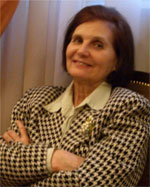 Maya Petrukhina is a
senior professor at the Diplomatic Academy of the Russian Foundation.
She has translated many American and Canadian prose writers, including
Adam Hoschild and Kevin Finley and has been a fellow at Blue Mountain
Center and Virginia Center for the Creative Arts.
Maya Petrukhina is a
senior professor at the Diplomatic Academy of the Russian Foundation.
She has translated many American and Canadian prose writers, including
Adam Hoschild and Kevin Finley and has been a fellow at Blue Mountain
Center and Virginia Center for the Creative Arts. 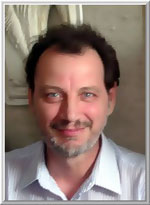 Ionatan Pirosca was born on May, 20 1958 in
Braila, a town in South Eastern Romania, in a Christian family who
raised him in a strong anti-Communist spirit. He has been writing since
childhood. Between 1984 and 1991, he received various literary awards at
Romanian National Festivals of Poetry, but the Communist regime
prevented him from having a literary career. Only after the fall of
Communism was the first of his four volumes of poetry published in 1994,
and in 2005 he received the prestigious Ioan Alexandru Award for Poetry.
In 2001 he founded the on-line literary circle Cuvinte la schimb
(Words’ Exchange) which currently has more than 200
members—young Romanians who love and write poetry.
Ionatan Pirosca was born on May, 20 1958 in
Braila, a town in South Eastern Romania, in a Christian family who
raised him in a strong anti-Communist spirit. He has been writing since
childhood. Between 1984 and 1991, he received various literary awards at
Romanian National Festivals of Poetry, but the Communist regime
prevented him from having a literary career. Only after the fall of
Communism was the first of his four volumes of poetry published in 1994,
and in 2005 he received the prestigious Ioan Alexandru Award for Poetry.
In 2001 he founded the on-line literary circle Cuvinte la schimb
(Words’ Exchange) which currently has more than 200
members—young Romanians who love and write poetry.  Edvīns
Raups (b. 1962) Poetry editor of the cultural weekly,
Kultūras Forums, he has published four volumes of poetry in Latvia
and translated many Latin American and Spanish authors. First published
in 1986, his awards include the Klāvs Elsbergs First Book Award (1991)
and the Rainis and Aspazija Foundation Prize (1995), the Fortech
Literature Award (1998) and the “Preses nams” Award for his
fourth collection, Uzvāri man kaut ko pārejošu
(Cook Up Something Transitory for Me). His poetry is widely
translated. His birth name is Edvīns Struka.
Edvīns
Raups (b. 1962) Poetry editor of the cultural weekly,
Kultūras Forums, he has published four volumes of poetry in Latvia
and translated many Latin American and Spanish authors. First published
in 1986, his awards include the Klāvs Elsbergs First Book Award (1991)
and the Rainis and Aspazija Foundation Prize (1995), the Fortech
Literature Award (1998) and the “Preses nams” Award for his
fourth collection, Uzvāri man kaut ko pārejošu
(Cook Up Something Transitory for Me). His poetry is widely
translated. His birth name is Edvīns Struka.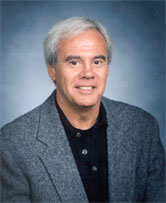 Len Roberts
is the translator of two full-length volumes and three
chapbooks of Sándor Csoóri’s poetry, as well as the author of
nine books of his own poetry. His next book of poems, The
Disappearing Trick, will be published by the University of Illinois
in 2006. He has received a fellowship from the John Simon Guggenheim
Foundation, two grants from the National Endowment for the Arts, and a
grant from the National Endowment for the Humanities for his translation
work. His fourth book of poems, Black Wings, was selected for
the National Poetry Series. His poems and translations have appeared in
The American Poetry Review, Poetry, Paris Review,
and The Hudson Review, among others. His work has also been
selected for Best American Poetry and the Pushcart Prize.
Len Roberts
is the translator of two full-length volumes and three
chapbooks of Sándor Csoóri’s poetry, as well as the author of
nine books of his own poetry. His next book of poems, The
Disappearing Trick, will be published by the University of Illinois
in 2006. He has received a fellowship from the John Simon Guggenheim
Foundation, two grants from the National Endowment for the Arts, and a
grant from the National Endowment for the Humanities for his translation
work. His fourth book of poems, Black Wings, was selected for
the National Poetry Series. His poems and translations have appeared in
The American Poetry Review, Poetry, Paris Review,
and The Hudson Review, among others. His work has also been
selected for Best American Poetry and the Pushcart Prize. 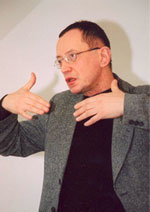 Jānis Rokpelnis
(b. 1945) Poet, essayist and script writer. First published in 1968, he
has subsequently won the Baltic Assembly Literary Prize (2000) and the
Aleksandars Čaks Award (2001). His work has been translated into
more than 20 languages, and he translates primarily from Russian.
Formerly a Senior Research Associate at the Riga Museum of Art, he has
been an editor of several periodicals, including Karogs. Currently
he is writing a biography of Knuts Skujenieks.
Jānis Rokpelnis
(b. 1945) Poet, essayist and script writer. First published in 1968, he
has subsequently won the Baltic Assembly Literary Prize (2000) and the
Aleksandars Čaks Award (2001). His work has been translated into
more than 20 languages, and he translates primarily from Russian.
Formerly a Senior Research Associate at the Riga Museum of Art, he has
been an editor of several periodicals, including Karogs. Currently
he is writing a biography of Knuts Skujenieks.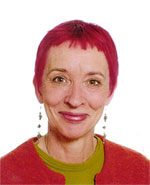 Māra Rozītis (b. 1952) Born in
Australia and currently living in Stockholm, she is an actress, theater
director, playwright. She translates a number of Latvian poets into
English, including Kronbergs and Belševica.
Māra Rozītis (b. 1952) Born in
Australia and currently living in Stockholm, she is an actress, theater
director, playwright. She translates a number of Latvian poets into
English, including Kronbergs and Belševica.
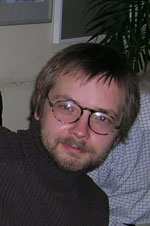 Māris Salējs (b. 1971) A poet, critic and
translator, primarily from Polish, Ukrainian and Russian, he was first
published in 1994. His awards include the Anna Dagda Award (2001) for
his second volume of poetry. An editor at Luna, a literary
journal, and co-editor for the Latvian feature in Howling Dog Press
internet journal, Omega, he is a librarian at the Academy of
Culture in Riga. His birth name is Marians Rižijs.
Māris Salējs (b. 1971) A poet, critic and
translator, primarily from Polish, Ukrainian and Russian, he was first
published in 1994. His awards include the Anna Dagda Award (2001) for
his second volume of poetry. An editor at Luna, a literary
journal, and co-editor for the Latvian feature in Howling Dog Press
internet journal, Omega, he is a librarian at the Academy of
Culture in Riga. His birth name is Marians Rižijs. 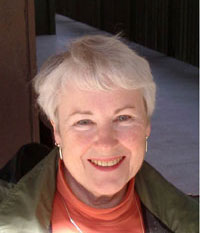 Luci Shaw
is a poet, essayist, teacher and retreat leader. Born in
England in 1928, she has lived in Australia and Canada, and since 1950
in the U. S. Author of a number of prose books and eight volumes of
poetry, including Writing the River, The Angles of Light,
The Green Earth, and Water Lines, she is Writer in
Residence at Regent College, Vancouver, Canada. Her most recent book is
The Crime of Living Cautiously (InterVarsity Press). Forthcoming from
Eerdmans in 2006 is a volume of her poetry— Accompanied by
Angels: Poems of the Incarnation, from WordFarm a book of new
poems— What the Light Was Like, and from Paraclete Press an
illustrated children’s book, The Genesis of It All. Musical
settings for many of her poems have been composed by Knut Nystedt, Alice
Parker, Frederick Frahm and Allen Cline. She lives in Bellingham, WA,
with her husband John Hoyte. Luci’s website is www.lucishaw.com.
Luci Shaw
is a poet, essayist, teacher and retreat leader. Born in
England in 1928, she has lived in Australia and Canada, and since 1950
in the U. S. Author of a number of prose books and eight volumes of
poetry, including Writing the River, The Angles of Light,
The Green Earth, and Water Lines, she is Writer in
Residence at Regent College, Vancouver, Canada. Her most recent book is
The Crime of Living Cautiously (InterVarsity Press). Forthcoming from
Eerdmans in 2006 is a volume of her poetry— Accompanied by
Angels: Poems of the Incarnation, from WordFarm a book of new
poems— What the Light Was Like, and from Paraclete Press an
illustrated children’s book, The Genesis of It All. Musical
settings for many of her poems have been composed by Knut Nystedt, Alice
Parker, Frederick Frahm and Allen Cline. She lives in Bellingham, WA,
with her husband John Hoyte. Luci’s website is www.lucishaw.com.
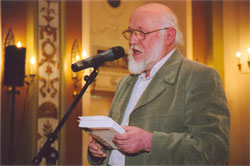 Knuts Skujenieks (b. 1936) A poet and
translator, he is considered one of the finest Latvian poets. In 1962 in
Soviet-Latvia, he was sentenced to seven years in a hard labor camp in
Mordova, Russia for high treason, a charge resulting from meetings with
other young dissident intellectuals. Although he began writing poetry as
early as the 1950s, his books did not appear until 1978 and poems
written in the labor camp were published in the 1990s, after Latvian
independence. His eight-volume collected works is published by Nordik
Publishers. He translates from many languages, including the folksongs
of most European countries. Among his numerous awards are the Tomas
Transtromer Prize (Sweden, 1998), the Order of the Three Stars (Latvia,
1995) and for his translations, Commander of the Catholic Order of
Isabel (Spain, 1994) and the Gedimino Order (Lithuania, 2001).
Knuts Skujenieks (b. 1936) A poet and
translator, he is considered one of the finest Latvian poets. In 1962 in
Soviet-Latvia, he was sentenced to seven years in a hard labor camp in
Mordova, Russia for high treason, a charge resulting from meetings with
other young dissident intellectuals. Although he began writing poetry as
early as the 1950s, his books did not appear until 1978 and poems
written in the labor camp were published in the 1990s, after Latvian
independence. His eight-volume collected works is published by Nordik
Publishers. He translates from many languages, including the folksongs
of most European countries. Among his numerous awards are the Tomas
Transtromer Prize (Sweden, 1998), the Order of the Three Stars (Latvia,
1995) and for his translations, Commander of the Catholic Order of
Isabel (Spain, 1994) and the Gedimino Order (Lithuania, 2001). 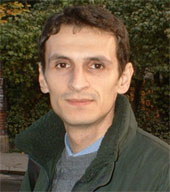 Teofil Stanciu
Born in 1978 in Oradea (North West Romania), Teofil
Stanciu graduated in 2003 from the University of Oradea with a double
degree in Romanian Language and Literature/ Theology. He has taught for
one year and his work has appeared in two anthologies. In 2004 he
received a poetry prize at the “Lucian Blaga” International
Festival.
Teofil Stanciu
Born in 1978 in Oradea (North West Romania), Teofil
Stanciu graduated in 2003 from the University of Oradea with a double
degree in Romanian Language and Literature/ Theology. He has taught for
one year and his work has appeared in two anthologies. In 2004 he
received a poetry prize at the “Lucian Blaga” International
Festival. 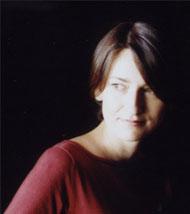 Lucija
Stupica (19.5.1971) lives in Ljubljana, capital of
Slovenia, writes poetry, articles about architecture and design, and
works as interior designer. She has published her poems in all major
Slovenian literary magazines (Literatura, Nova revija,
Sodobnost). Her first book of poetry Celo na soncu
(Cello in the Sun) was published by the Beletrina, Student
publishing house, in 2001. It won the award of the 17th Slovenian Book
Fair for the best first book and the Zlata ptica (Golden Bird) award for
the best artistic achievement. Stupica’s new book of poetry
Vetrolov was published in May 2004. A collection of the poems
from both books will be published at Meandar Publishing house, Zagreb,
Croatia in 2005. Her poetry is included in the anthology Ten
Slovenian Poets of the Nineties. She is a member of PEN and Slovene
Writers’ Association.
Stupica participated in the festival Days of Poetry and Wine in Medana,
the International festival of Poetry in Cartagena de Indias (2001), the
International Literary Gathering Valenica (2002) and Goranovo
prolječe in Croatia (2003 and 2004). She participated in the
International Poetry Festival in Gotland, Sweden and was a scholar at
the Baltic Centre for Writers and Translators in 2004. She was a member
of City of Poets, which was organized for Dublin Writers Festival, June
2004. Some of her poems have been translated into English, German,
Swedish, Finnish, Polish, Italian, Croatian and Spanish, and she has
read at the Frankfurt Book Fair.
Lucija
Stupica (19.5.1971) lives in Ljubljana, capital of
Slovenia, writes poetry, articles about architecture and design, and
works as interior designer. She has published her poems in all major
Slovenian literary magazines (Literatura, Nova revija,
Sodobnost). Her first book of poetry Celo na soncu
(Cello in the Sun) was published by the Beletrina, Student
publishing house, in 2001. It won the award of the 17th Slovenian Book
Fair for the best first book and the Zlata ptica (Golden Bird) award for
the best artistic achievement. Stupica’s new book of poetry
Vetrolov was published in May 2004. A collection of the poems
from both books will be published at Meandar Publishing house, Zagreb,
Croatia in 2005. Her poetry is included in the anthology Ten
Slovenian Poets of the Nineties. She is a member of PEN and Slovene
Writers’ Association.
Stupica participated in the festival Days of Poetry and Wine in Medana,
the International festival of Poetry in Cartagena de Indias (2001), the
International Literary Gathering Valenica (2002) and Goranovo
prolječe in Croatia (2003 and 2004). She participated in the
International Poetry Festival in Gotland, Sweden and was a scholar at
the Baltic Centre for Writers and Translators in 2004. She was a member
of City of Poets, which was organized for Dublin Writers Festival, June
2004. Some of her poems have been translated into English, German,
Swedish, Finnish, Polish, Italian, Croatian and Spanish, and she has
read at the Frankfurt Book Fair.
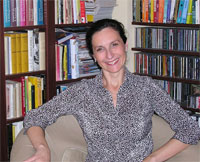 Mária Szende
teaches English for Specific Purposes, Cross-Cultural
Management and Translation Techniques at the School of Business and
Economics, University of Pécs. She has co-translated and
co-published with Len Roberts more than a hundred of Sándor
Kanyádi’s poems into English.
Mária Szende
teaches English for Specific Purposes, Cross-Cultural
Management and Translation Techniques at the School of Business and
Economics, University of Pécs. She has co-translated and
co-published with Len Roberts more than a hundred of Sándor
Kanyádi’s poems into English. 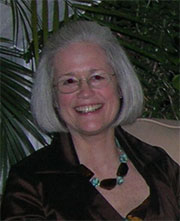 J.C.
Todd‘s poems and translations have appeared in the
anthology Shade 2004, and in The Paris Review, APR,
RUNES, Crab Orchard Review and other journals as well as
on-line in Verse Daily. Pine Press published her chapbooks:
Nightshade (1995) and Entering Pisces (1985).
Awards include a fellowship in poetry from the Pennsylvania Council on
the Arts, two awards from The Leeway Foundation, a Virginia Center for
the Creative Arts international artist exchange fellowship to the
Schloss Wiepersdorf colony in Germany and a scholarship to the Baltic
Center for Writers and Translators in Sweden.
She has previously edited a feature on contemporary Lithuanian poetry
for TDB and was guest poetry editor for the Summer 2005 issue of
The Bucks Country Review.
A lecturer in Creative Writing at Bryn Mawr College in the spring of
2006, she has an MFA from the Program for Writers at Warren Wilson
College.
J.C.
Todd‘s poems and translations have appeared in the
anthology Shade 2004, and in The Paris Review, APR,
RUNES, Crab Orchard Review and other journals as well as
on-line in Verse Daily. Pine Press published her chapbooks:
Nightshade (1995) and Entering Pisces (1985).
Awards include a fellowship in poetry from the Pennsylvania Council on
the Arts, two awards from The Leeway Foundation, a Virginia Center for
the Creative Arts international artist exchange fellowship to the
Schloss Wiepersdorf colony in Germany and a scholarship to the Baltic
Center for Writers and Translators in Sweden.
She has previously edited a feature on contemporary Lithuanian poetry
for TDB and was guest poetry editor for the Summer 2005 issue of
The Bucks Country Review.
A lecturer in Creative Writing at Bryn Mawr College in the spring of
2006, she has an MFA from the Program for Writers at Warren Wilson
College.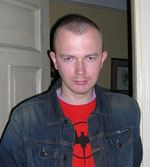 Kārlis Vērdiņš (b. 1979)
Poet, critic and translator. He has published translations of William
Carlos Williams, H. D., Virginia Woolf and T. S. Eliot. His two
collections of poetry are Ledlauzi (Icebreakers) (2001)
and Biezpiens ar krejumu (Cottage Cheese with Cream)
(2004).
Kārlis Vērdiņš (b. 1979)
Poet, critic and translator. He has published translations of William
Carlos Williams, H. D., Virginia Woolf and T. S. Eliot. His two
collections of poetry are Ledlauzi (Icebreakers) (2001)
and Biezpiens ar krejumu (Cottage Cheese with Cream)
(2004). Lászlo Vertes , who was a student of Len Roberts (when Roberts was a Fulbright Scholar at the University of Pecs in 1988), is a professional translator in English, German, Hungarian and French for the European Union. He and Len Roberts have translated about two hundred of Sándor Csoóri’s poems in the past seventeen years.
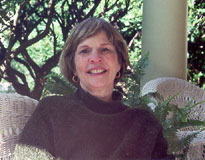 Jeanne Murray
Walker‘s most recent book of poetry is A Deed To the
Light, available from The University of
Illinois Press. For Jeanne’s website, go to: www.english.udel.edu/jwalker
/
Jeanne Murray
Walker‘s most recent book of poetry is A Deed To the
Light, available from The University of
Illinois Press. For Jeanne’s website, go to: www.english.udel.edu/jwalker
/ 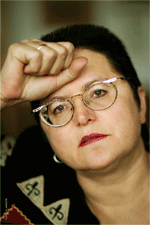 Māra
Zālīte (b. 1952) Born in Siberia where her
parents had been deported by the Soviets, she returned to Latvia in
1956. A poet, essayist, playwright, and librettist for opera and rock
musicals, she has been editor-in-chief of Karogs and was the
director of the National Language Commission in Latvia. She is presently
president of the copyright agency AKKA/LAA. Her rock opera
Lacplesis (Bearslayer) (1988) was one of the mobilizing
forces in the “Singing Rebellion” that led to Latvia’s renewed
independence. Her awards include The Order of Three Stars (1995), the
Mayakovsky Award (1982), the Aspazija Award (1992) and the Herder Award
(Germany, 1993). Sun Stroke in the Dark, Margita Gailitis’
English translation of Zālīte’s selected poems, was recently
published by Atena (2005).
Māra
Zālīte (b. 1952) Born in Siberia where her
parents had been deported by the Soviets, she returned to Latvia in
1956. A poet, essayist, playwright, and librettist for opera and rock
musicals, she has been editor-in-chief of Karogs and was the
director of the National Language Commission in Latvia. She is presently
president of the copyright agency AKKA/LAA. Her rock opera
Lacplesis (Bearslayer) (1988) was one of the mobilizing
forces in the “Singing Rebellion” that led to Latvia’s renewed
independence. Her awards include The Order of Three Stars (1995), the
Mayakovsky Award (1982), the Aspazija Award (1992) and the Herder Award
(Germany, 1993). Sun Stroke in the Dark, Margita Gailitis’
English translation of Zālīte’s selected poems, was recently
published by Atena (2005). 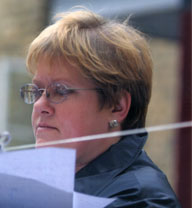 Inese
Zandere (b. 1958) Poet, children’s author and the
editor of the monthly magazine, Rigas Laiks. Her 3 volumes of
poetry include Melnās čūskas maiznica (The
Black Snake’s Bakery) which collects her poems from the past fifteen
years; it received the Latvian Poetry Prize (2003).
Inese
Zandere (b. 1958) Poet, children’s author and the
editor of the monthly magazine, Rigas Laiks. Her 3 volumes of
poetry include Melnās čūskas maiznica (The
Black Snake’s Bakery) which collects her poems from the past fifteen
years; it received the Latvian Poetry Prize (2003). 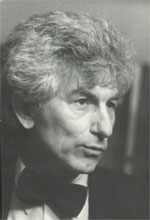 Imants
Ziedonis (b. 1933) A prolific poet, his poetry is
widely translated; Flowers of Ice, translated by Barry Callaghan,
was published in Canada. He has published almost
twenty volumes of poetry in Latvia. A formative thinker on Latvian
culture, he writes non-fiction about rural Latvian life and culture as
well as tales for children for which he received the Hans Christian
Anderson Award (Denmark). Among his many awards is The Order of the
Three Stars (1995). A deputy in the Latvian Parliament in the 1990s, he
has held numerous significant cultural positions.
Imants
Ziedonis (b. 1933) A prolific poet, his poetry is
widely translated; Flowers of Ice, translated by Barry Callaghan,
was published in Canada. He has published almost
twenty volumes of poetry in Latvia. A formative thinker on Latvian
culture, he writes non-fiction about rural Latvian life and culture as
well as tales for children for which he received the Hans Christian
Anderson Award (Denmark). Among his many awards is The Order of the
Three Stars (1995). A deputy in the Latvian Parliament in the 1990s, he
has held numerous significant cultural positions. 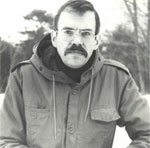 Pēteris Zirnītis (b. 1944; d. 2001)
Poet, publisher, former Director of the Latvian Museum of Literature and
Art History and Vice President of Latvian PEN. He has published seven
volumes of poetry. As founding publisher of Nordik, he has focused on
publishing translations of poetry.
Pēteris Zirnītis (b. 1944; d. 2001)
Poet, publisher, former Director of the Latvian Museum of Literature and
Art History and Vice President of Latvian PEN. He has published seven
volumes of poetry. As founding publisher of Nordik, he has focused on
publishing translations of poetry. 